
How Many Tons Does a 20 Yard Dumpster Hold?
Most 20 yard containers are rated for around 3 to 4 tons of mixed household or construction debris, though the exact number depends on the hauler and what you're throwing away. Wet drywall, tile and roofing shingles weigh far more per cubic foot than furniture or scrap lumber, so two loads that look identical can weigh very differently, which is why our 10 yard dumpster rental page and the 20 yard dumpster rental page both spell out typical debris limits separately. Anyone comparing options should check dumpster sizes and dimensions before booking, since box volume and weight allowance aren't the same thing. An empty 20 yard dumpster itself weighs several thousand pounds, and that tare weight gets subtracted at the scale, not counted against your fill. If you're not sure what your renovation debris will weigh, ask about dumpster rental cost options that include a higher weight allowance up front rather than risking overage charges later. Carol City households doing kitchen or bathroom teardown often underestimate how much a stack of old tile weighs once it's wet from cleanup. For general project questions, our roll-off dumpster rental page breaks down which size fits which job. Overage fees are calculated per ton past your included limit, so a heavier-than-expected load costs more even if the box never quite fills to the top, and comparing options on porta potty rental cost or dumpster pricing side by side helps set expectations before delivery.
How Many Tons Can a 30 Yard Dumpster Hold?
A 30 yard dumpster generally carries a heavier allowance, often in the 4 to 6 ton range depending on the rental company and the debris type. That extra capacity matters for whole-home cleanouts, roofing tear-offs and larger remodels where volume and weight climb together. The 30 yard dumpster rental page has more specifics on what fits inside that footprint. Homeowners in Carol City tackling a full renovation, especially anything involving old flooring or plaster, should lean toward the 30 yard size if they're near the weight ceiling on a 20 yard box. Contractors running construction dumpster rental accounts for multi-week jobs often standardize on 30 yard containers specifically because the weight cushion reduces the odds of a surprise overage charge mid-project. It's worth asking your provider directly what their per-ton overage rate is before the truck arrives, since that number varies by hauler and isn't standardized citywide, and homeowners running a full home renovation porta potty and dumpster combo on one property should ask about bundled delivery too. Keep in mind that a 30 yard box still needs about 60 feet of straight clearance behind the delivery truck, so driveway length and street access in older Carol City neighborhoods can affect which size actually gets delivered.
How Many Tons Does a 40 Yard Dumpster Hold?
A 40 yard dumpster is the largest standard roll-off size and typically holds the heaviest allowance of the group, often 5 tons or more depending on material. These go to large commercial demolition, big renovation projects, or sites generating high volumes of mixed debris. The 40 yard dumpster rental listing covers dimensions and typical use cases in more detail, and larger commercial jobs pairing it with temporary fence rental or a storage container rental on site often plan both deliveries together. Because these boxes are large and heavy once loaded, delivery trucks still need that same roughly 60 foot straight clearance behind them, and tight lots in dense parts of Carol City sometimes can't accommodate a 40 yard drop without street placement. That's a separate question from weight limits, but it affects whether this size is even practical for a given address. If you're weighing size against tonnage needs, our page on what cannot go in a dumpster is worth a look too, since certain banned materials like tires, batteries and certain appliances can trigger both weight surcharges and rejection at the landfill. Getting the material list right before delivery saves a second trip and a second fee, the same way planning ahead with a porta potty rental checklist saves a second call for restroom needs on the same job.
What Happens If I Go Over the Weight Limit?
Going over your dumpster's weight limit means an overage charge, usually billed per ton past the included allowance, added to your final invoice after the load is weighed at the transfer station or landfill. This isn't a Carol City-specific rule, it's standard across roll-off haulers everywhere, whether you're dealing with a roll-off dumpster rental here or comparing a roll off dumpster rental Dayton Ohio company against a roll off dumpster rental San Antonio outfit, the mechanics are the same. Scales don't lie, and there's no negotiating a load weight after the fact, much like construction site services planning that bundles sanitation and debris removal under one schedule. The best way to avoid the fee is estimating honestly before the truck shows up: heavy debris like concrete, dirt, brick and shingles should get their own container size conversation rather than being mixed into a box rated for lighter household junk. Our dumpster permit requirements page covers placement rules, and while permit rules vary and placement in the public right of way needs confirming directly with the city, weight limits themselves are set by the hauler's contract with the disposal facility, not by any municipal code, separate from questions covered on our porta potty permit requirements page.
How much does a 20 yard dumpster weigh empty?
An empty 20 yard roll-off typically weighs several thousand pounds on its own, which is its tare weight. That figure gets subtracted at the scale before your fill weight is calculated, so it doesn't count against your ton allowance. Ask your provider for their specific tare weight if you're tracking numbers closely, the same way you'd check septic tank pumping cost before scheduling that separately.
Do heavier materials fill a dumpster faster than lighter ones?
Yes. Concrete, tile, shingles and wet drywall reach weight limits long before they fill the container's volume. A half-full box of shingles can weigh more than a fully loaded box of furniture. Match your container size to material type, not just estimated volume, to avoid overage fees, similar to how how many porta potties do I need matches unit count to headcount.
Can I mix heavy debris with regular household junk?
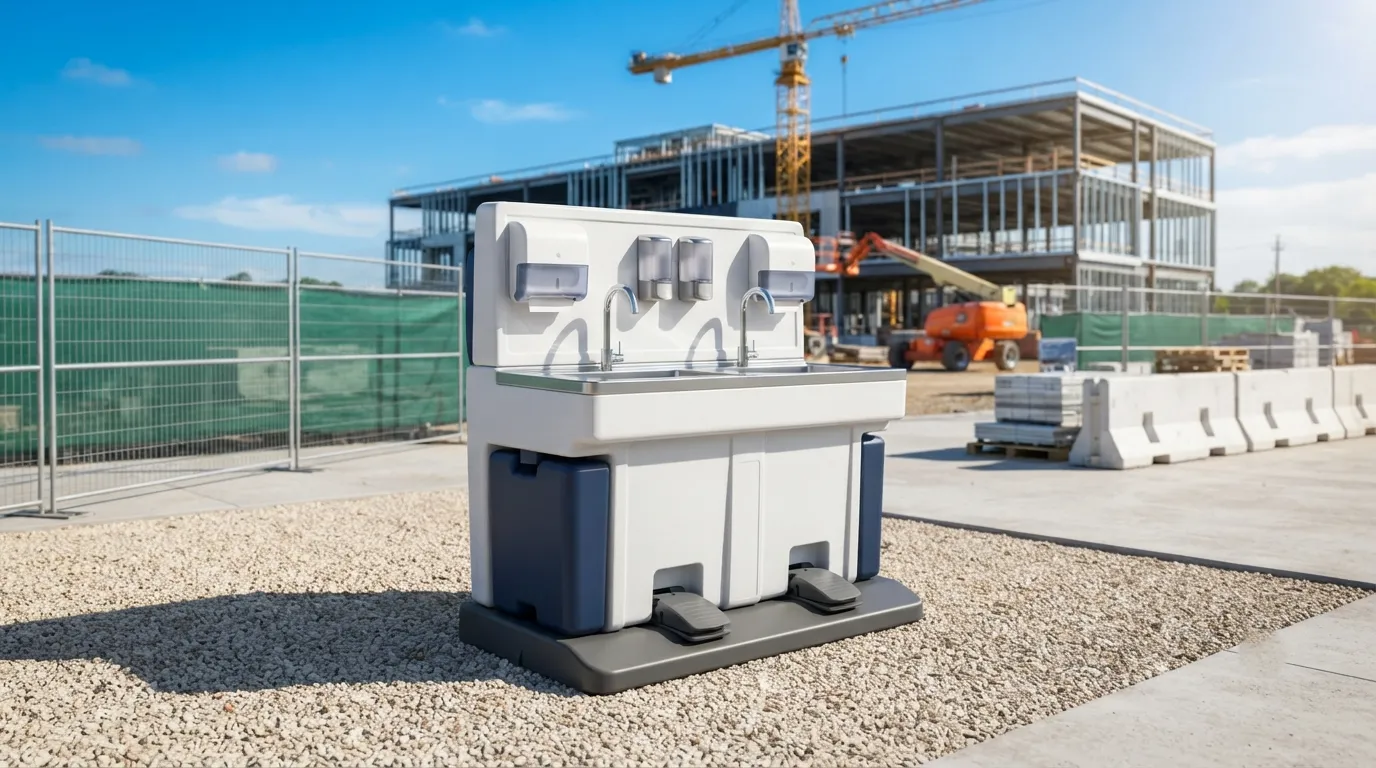
You can, but it's not ideal. Mixing dense material like concrete with lighter debris makes it harder to estimate total weight, and haulers charge for the combined ton total either way. Separating loads, when possible, keeps costs more predictable and avoids surprise charges at the scale, the same logic behind renting a handwashing station rental separately from a full restroom trailer for smaller crews.
Is there a weight limit difference between a 10 yard and 20 yard dumpster?
Yes, smaller containers carry lower weight allowances since they're built for smaller jobs. A 10 yard dumpster rental suits light cleanouts, while the 20 yard size handles heavier renovation debris. Check how many porta potties do I need style guides on our site for sizing logic that applies to dumpsters too.
Who do I call if I'm not sure what size I need?
Reach out through request a quote or contact and describe your project. Carol City Porta Pros can walk through material type, estimated volume and site access before recommending a size, which avoids both underfilling one container and overpaying for a bigger box than the job needs.
Next step
Get a delivery date
Tell us the address, the dates and the headcount. We size the order and confirm the route.